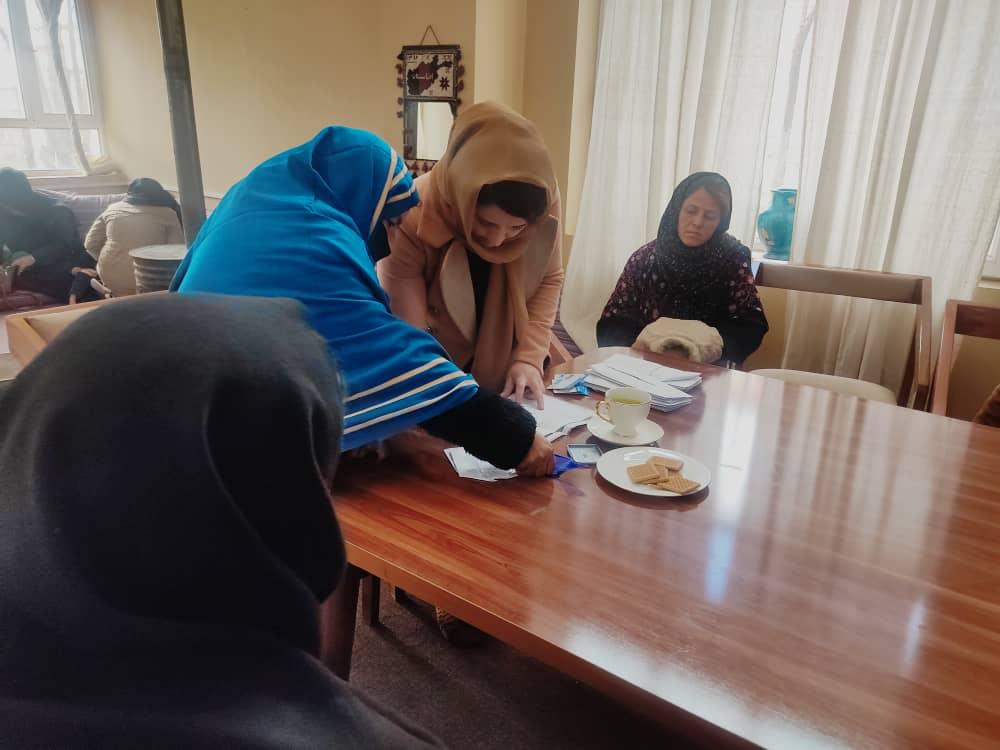
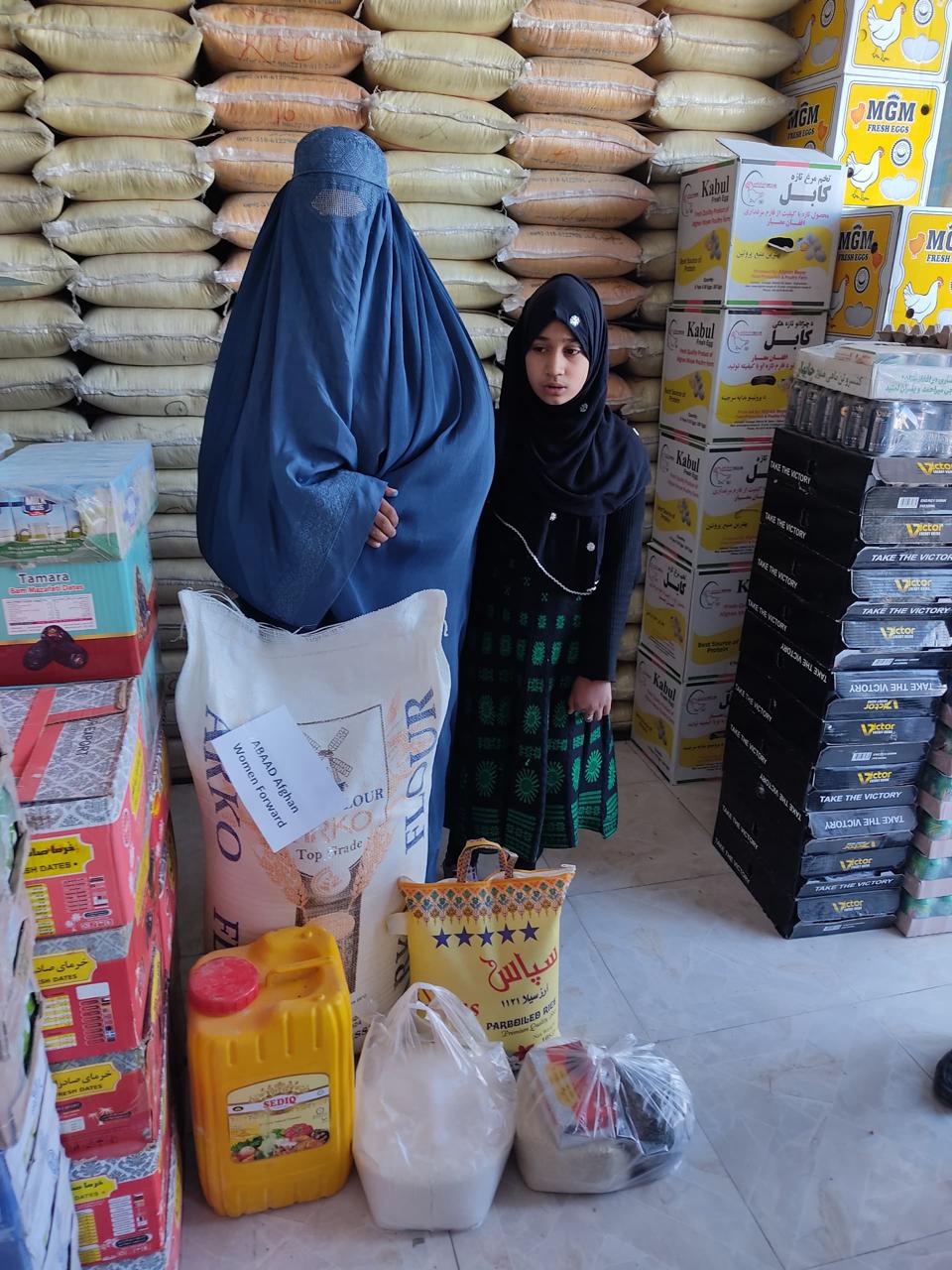
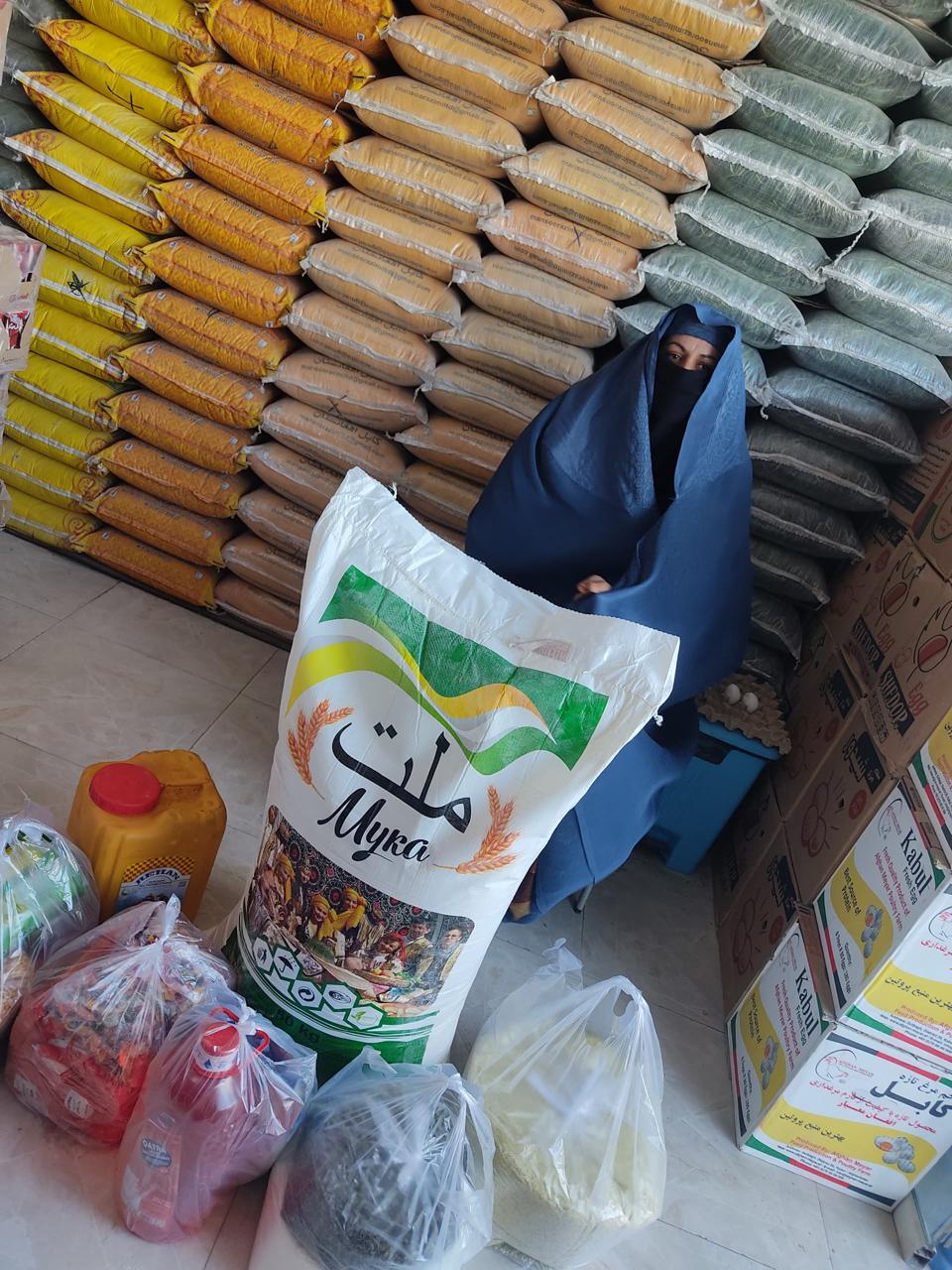
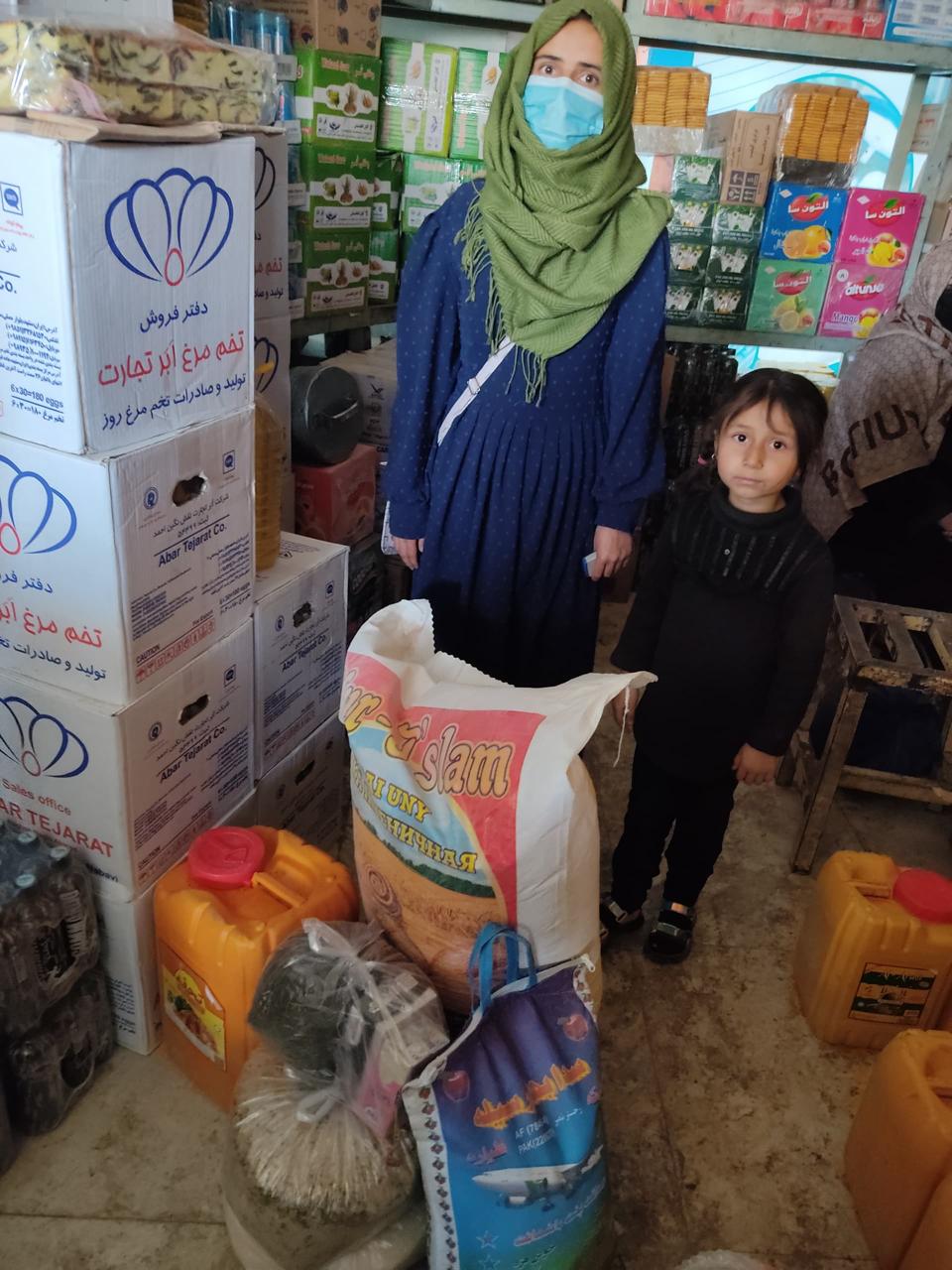
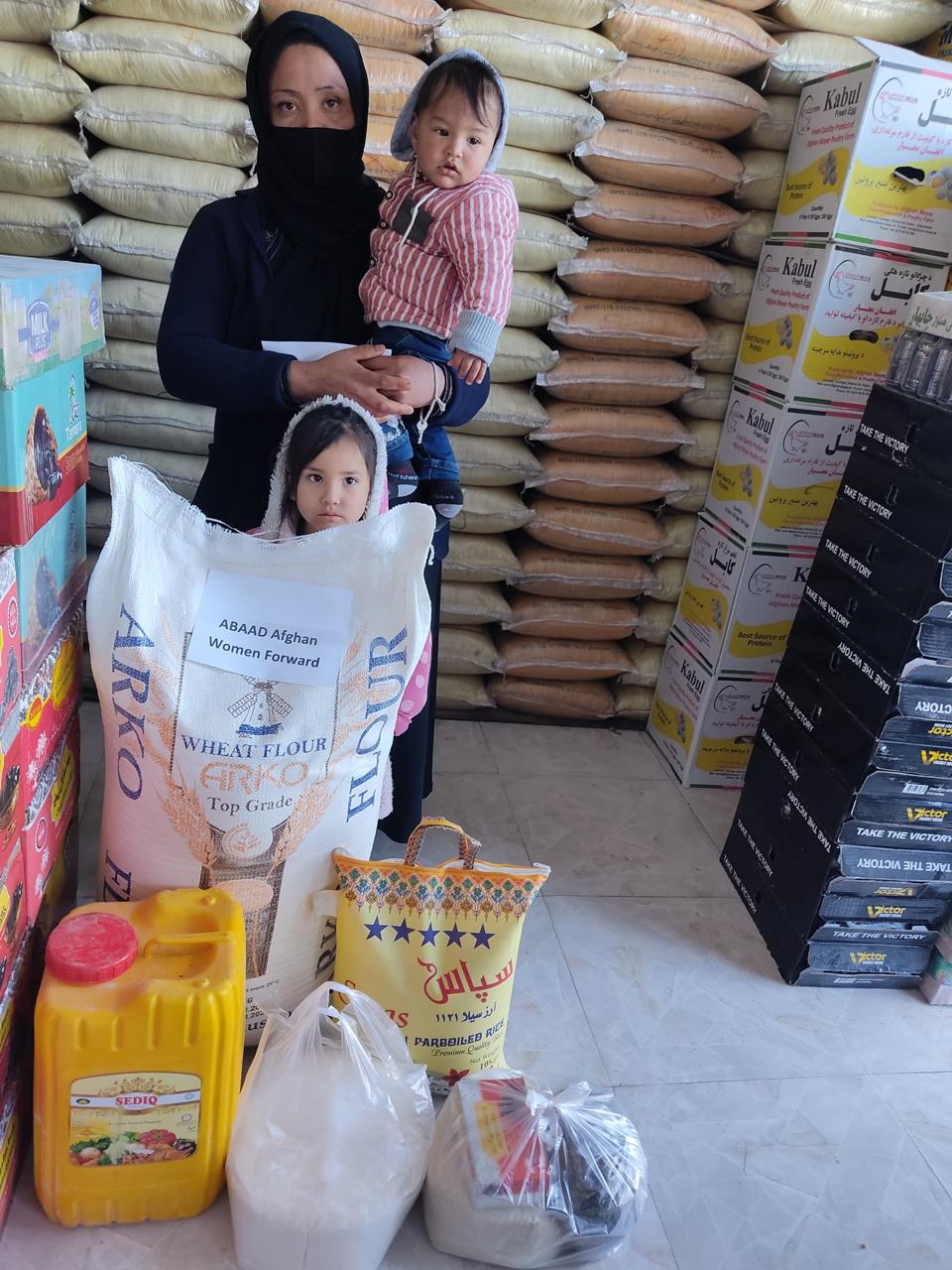
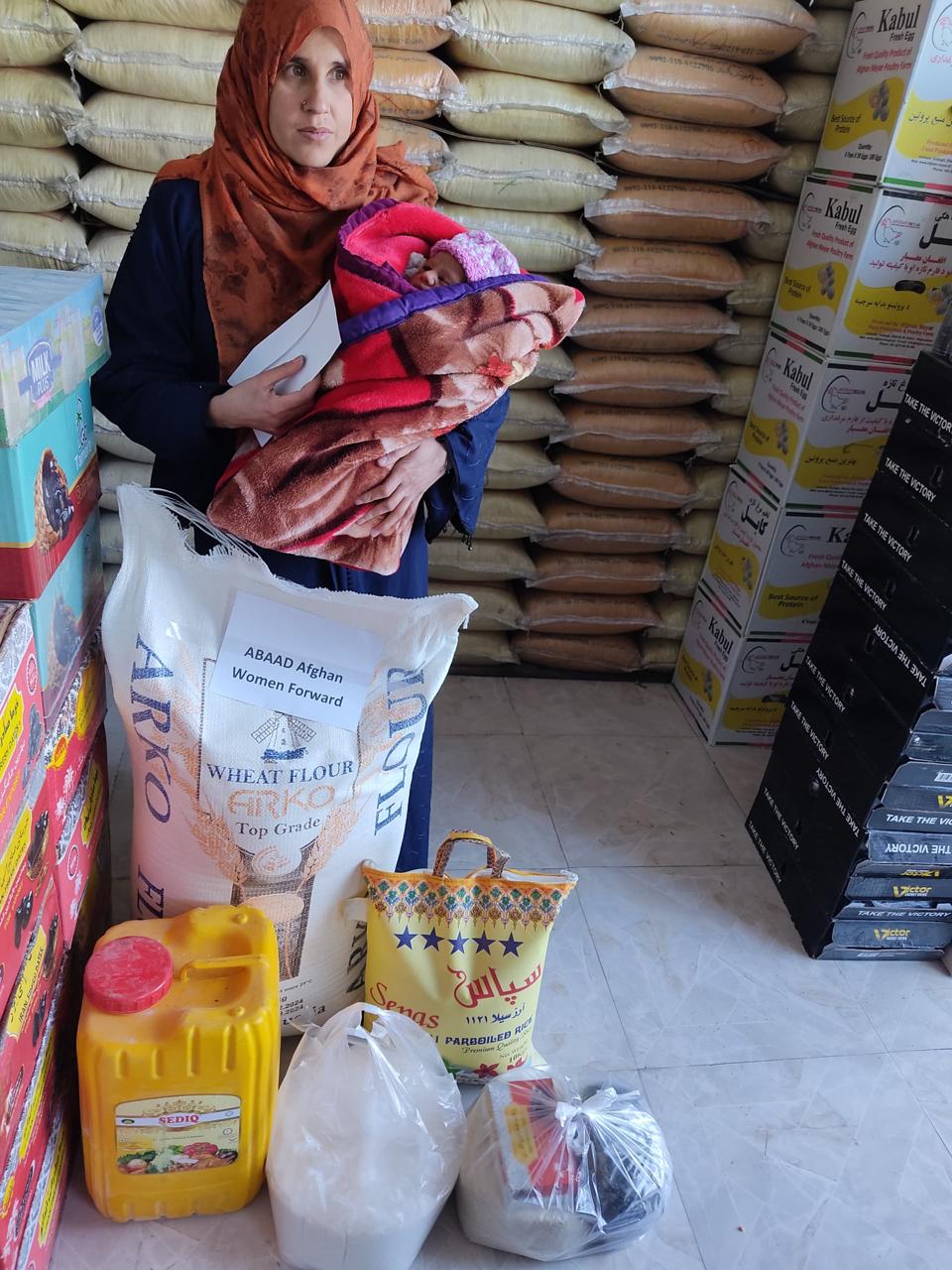
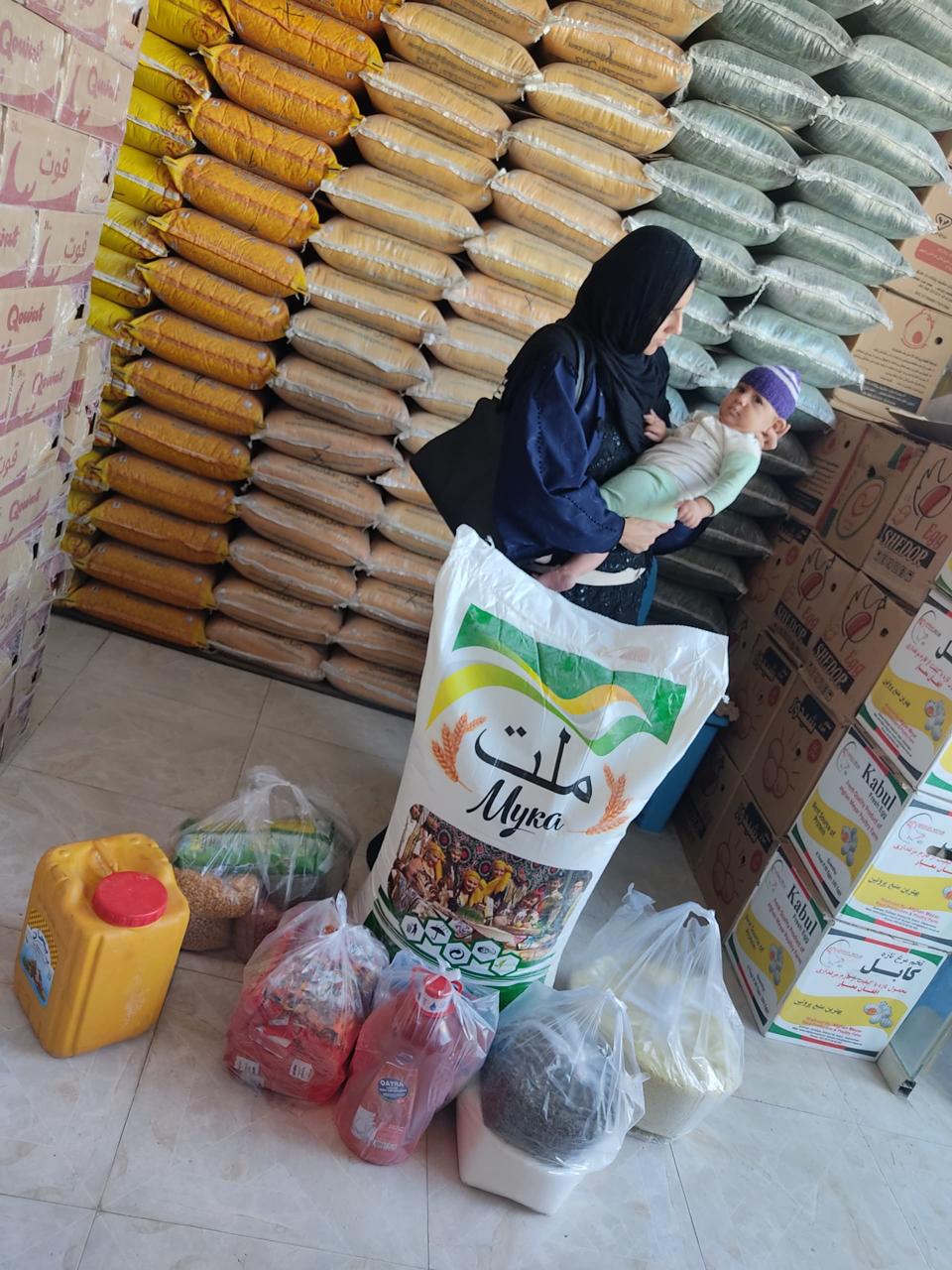
ABAAD’s Humanitarian Assistance program delivers food assistance, child care packages, psychosocial support, and other essential relief services to help women, children, and families in crisis restore safety, dignity, and stability. Afghanistan continues to face severe humanitarian challenges, with women and children disproportionately affected by poverty, food insecurity, protection risks, limited access to healthcare, and barriers to education.
In response, ABAAD provides targeted humanitarian assistance to women and families in crisis, with a particular focus on survivors of domestic and gender-based violence and households facing extreme hardship.
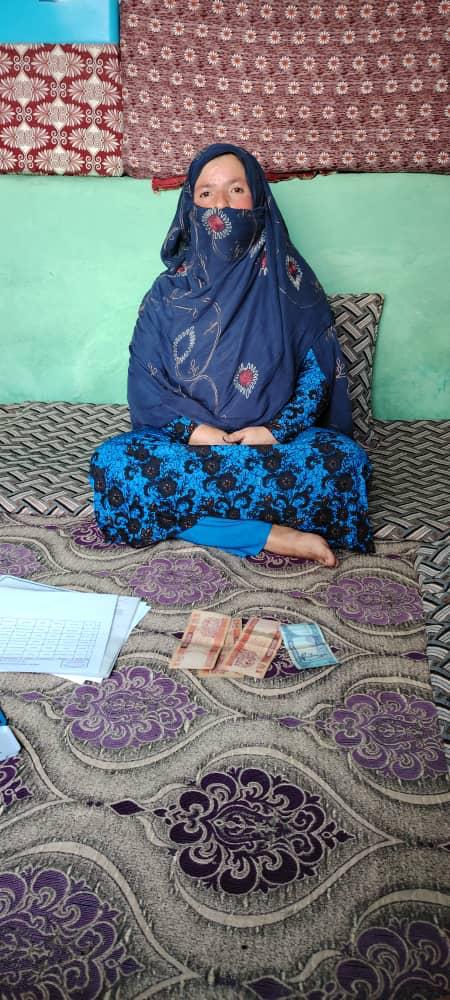
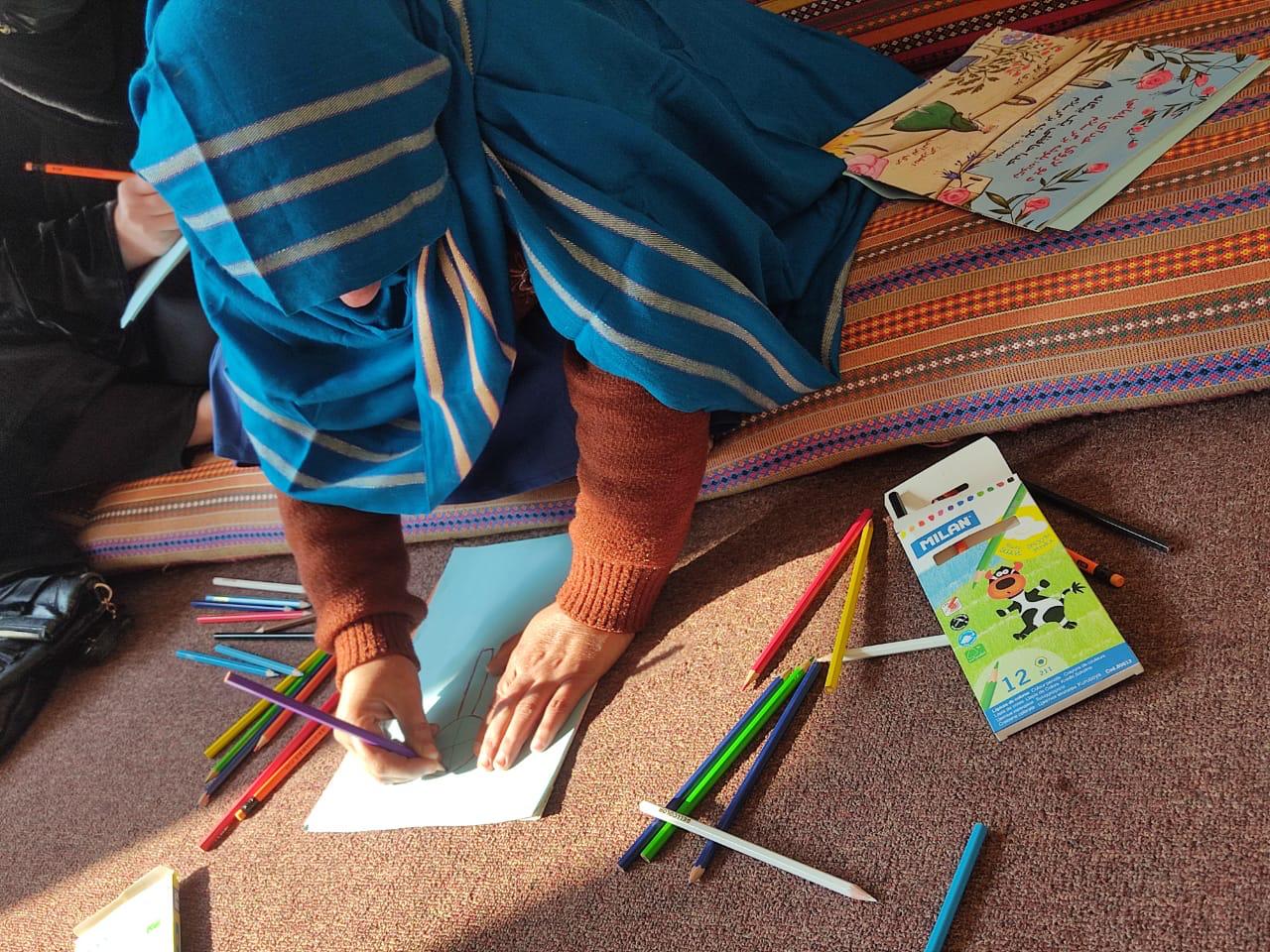
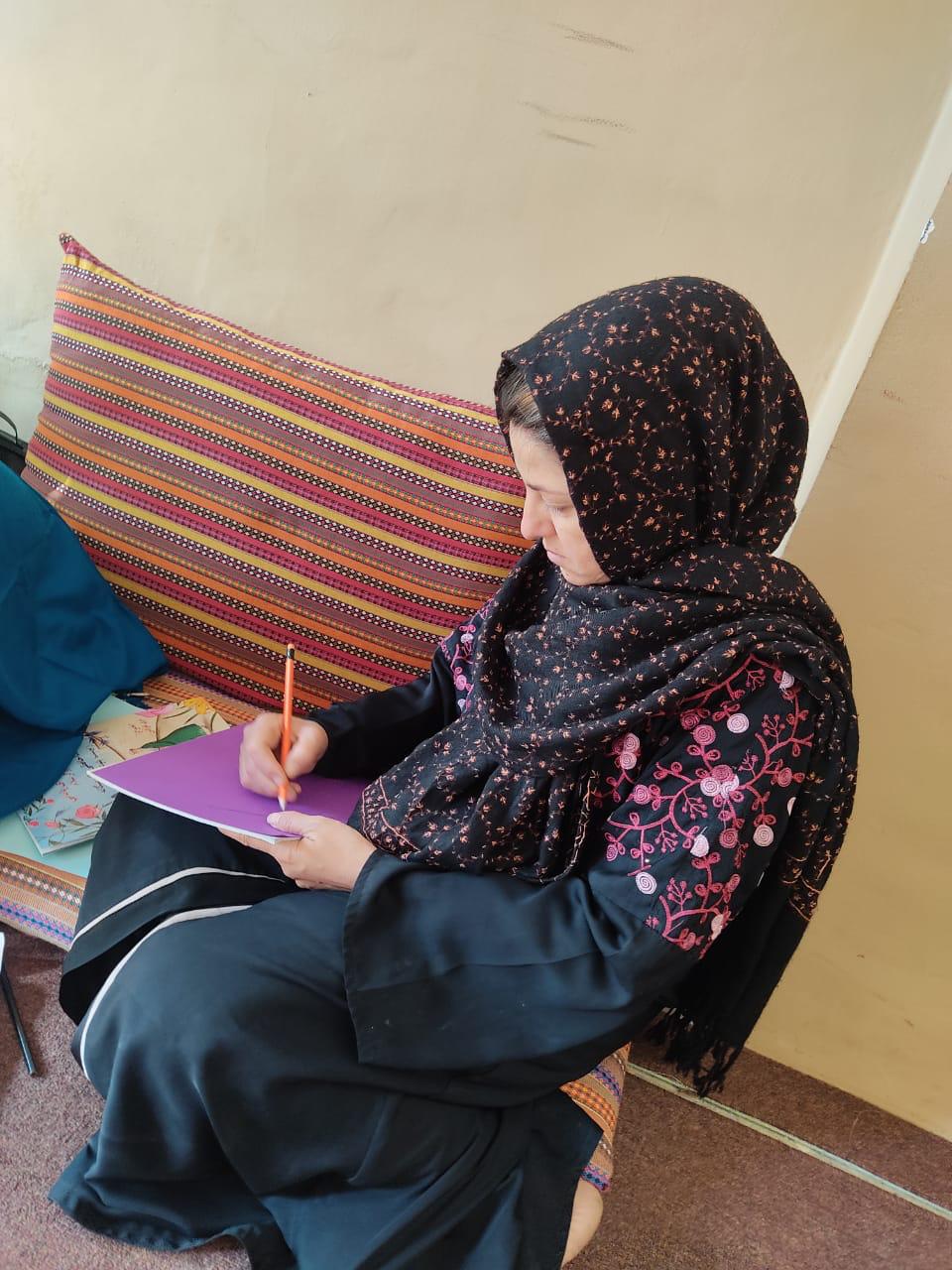
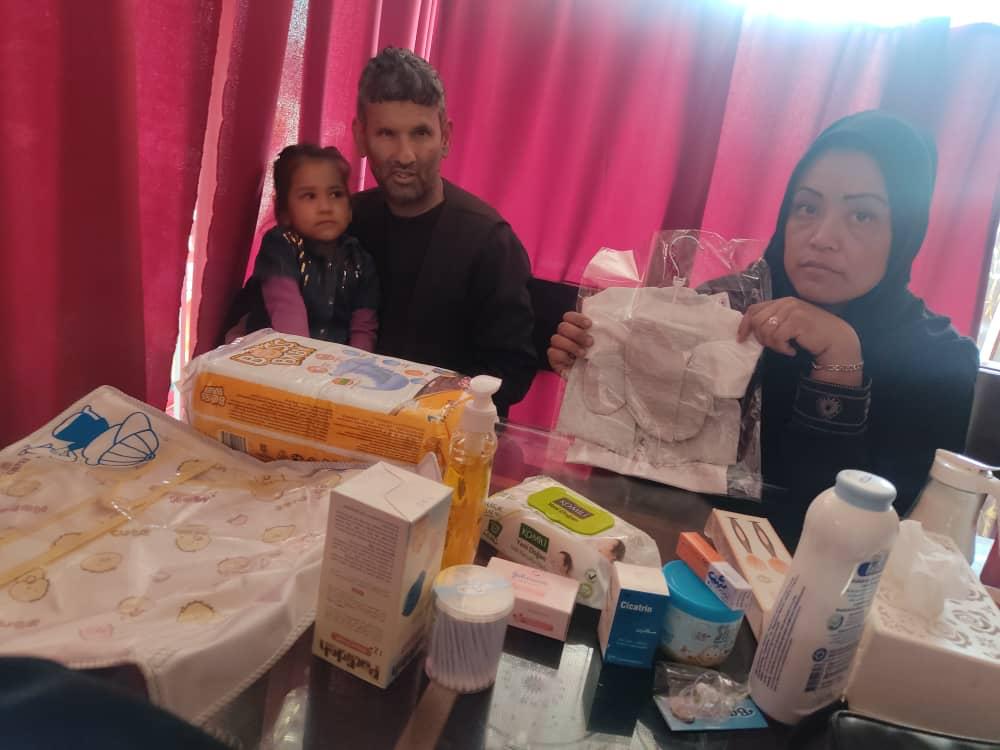
Since 2022, ABAAD has delivered psychosocial support, food and non-food assistance, winter clothing, cash support, hygiene kits, and urgent medical assistance to help restore safety, dignity, and well-being. ABAAD also supports accompanied children through school enrolment assistance, educational support, and the provision of stationery and school bags to help address immediate needs and improve access to education.
Continuously supported
Continuously supported
Reached
Coverage in Kabul, Kunduz, Kapisa
These stories reflect the strength of individuals and families who have received humanitarian assistance during times of need. Through timely support and community care, they are rebuilding their lives with dignity and hope.
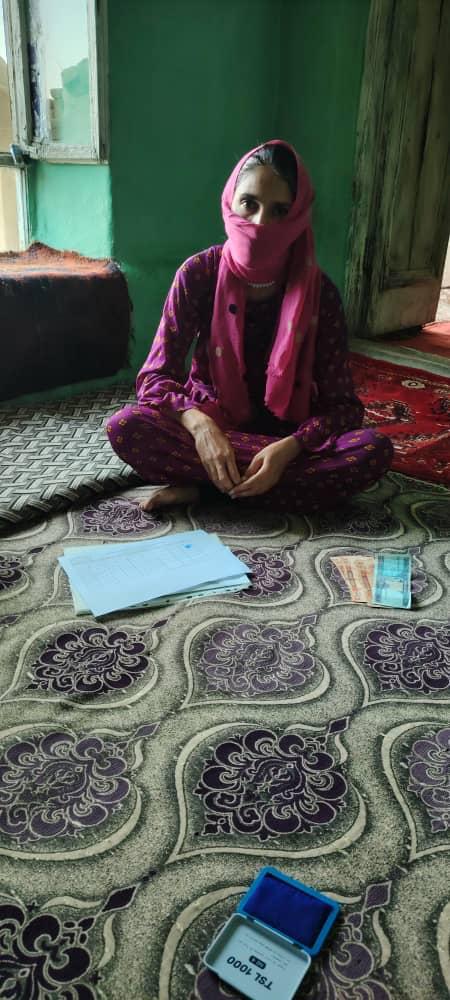
Khalida, a young mother of two, endured years of abuse before finally seeking protection. When the shelter she depended on closed, she returned to her parents’ home and began doing informal work to help her family survive. Today, through ABAAD’s skills-building workshops and Safe Circles, Khalida is strengthening her abilities, rebuilding her confidence, and working toward a future where she can support herself and her daughters more independently.
Khalida’s Story
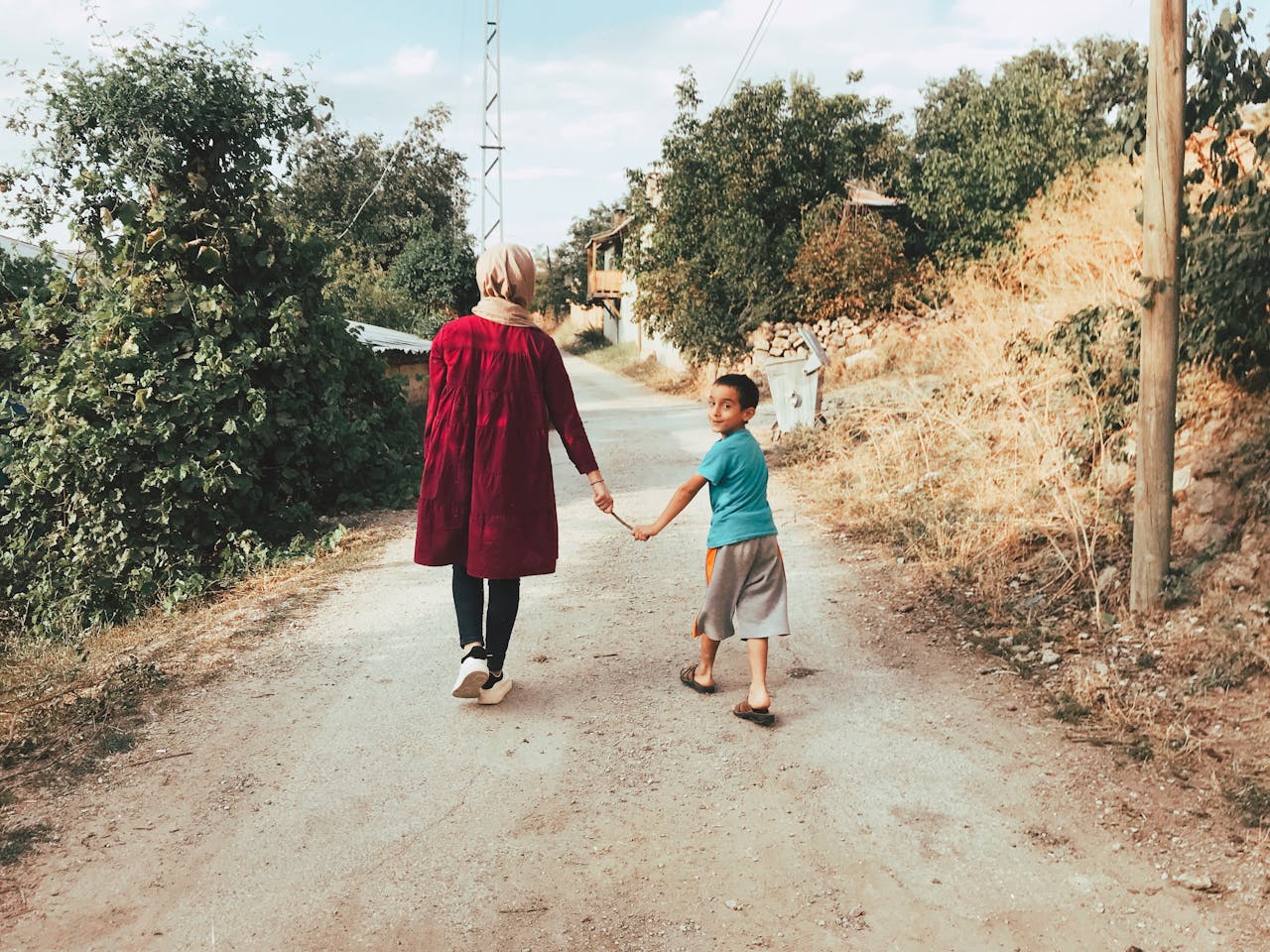
After years of abuse, Nasrin found the courage to leave and seek safety. At a shelter, she began learning embroidery and started to believe that one day she could use her skills to support herself. But when the shelter closed, she was once again left without safety, income, or a place to go. ABAAD supports women like Nasrin with emergency assistance, referrals to local services, and paid skills-building opportunities that help them move from survival to self-reliance. With the right support, Nasrin can begin rebuilding her life with dignity and hope.
Nasrin’s Story
.jpg)
We work to remove barriers to education by supporting students with scholarships, resources, and guidance—helping them build skills and pursue brighter futures.
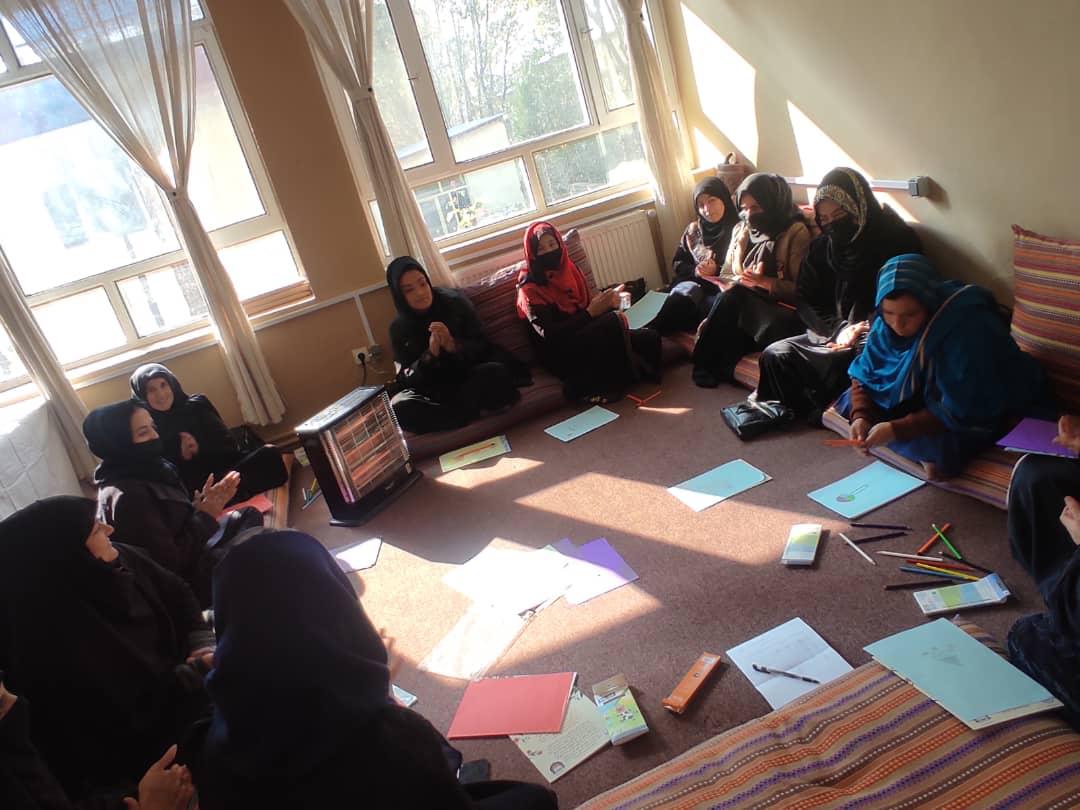
Through humanitarian assistance and community-driven programs, we support individuals and families in overcoming challenges and creating more stable, resilient lives.
Answers to common questions about our relief packages, how assistance is delivered, and the impact of supporting vulnerable families.

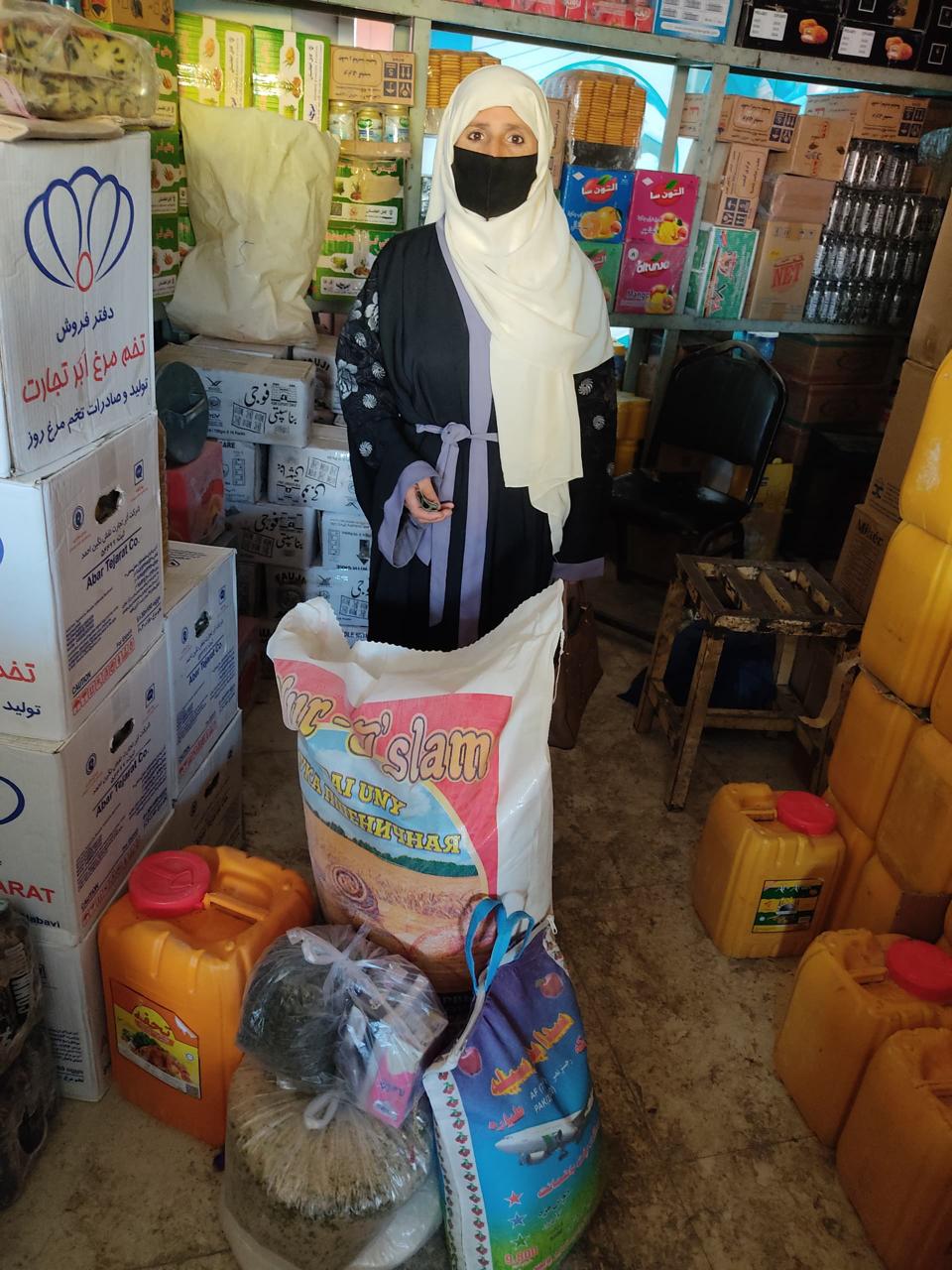
The Humanitarian Assistance program delivers essential relief packages that include staple food supplies, hygiene items, and basic household support for vulnerable families. These packages help mothers and children meet their immediate needs and maintain dignity during difficult circumstances.
The program prioritizes vulnerable households, including widowed mothers, families with multiple children, and households facing disability or serious financial hardship. Assistance is directed to families experiencing urgent need.
Most humanitarian assistance packages are designed to support a family for approximately one month by providing essential food items and basic household necessities.
Help Change a Life Today